



Travel is increasingly about more than sightseeing, holidays or discovering something new. Wellness tourism offers opportunities to explore different places while caring for physical and mental wellbeing, restoring energy and finding balance in a demanding modern world.
1. What Is Wellness Tourism?
Wellness tourism focuses on supporting physical and mental wellbeing. Experiences may include spa treatments, meditation, yoga, mineral bathing, hot springs, healthy nutrition and programmes marketed as cleansing or detox retreats. Some destinations also offer acupuncture, traditional herbal practices, herbal massage, forest meditation and forest bathing.
2. The Benefits of Wellness Travel
Wellness travel can provide time and space for relaxation, gentle movement and healthier daily routines. The source article associates these experiences with reduced stress, improved flexibility, sleep, concentration and a greater awareness of healthy living. It also describes claimed benefits involving immunity, digestion, circulation, hormones and detoxification.
For people with demanding jobs or busy lives, a wellness holiday can offer a break from technology, an opportunity to reconnect with nature and time to renew their sense of balance.
Editorial note: The source’s specific physiological and detoxification claims have not been medically verified. They should be reviewed before publication and should not be presented as guaranteed treatment outcomes.
3. Wellness Tourism Destinations in Vietnam
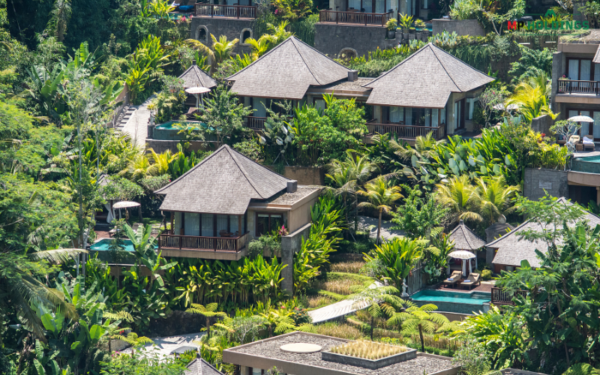
Vietnam’s diverse landscapes, natural hot springs and premium resorts offer many settings for wellness-oriented travel.
Binh Chau Hot Springs, Ba Ria–Vung Tau: A well-known hot spring destination in southern Vietnam, where visitors can relax in natural mineral waters.
Da Nang and Hoi An: Beaches, fresh air and resorts offering spa, yoga and meditation provide opportunities for restorative stays.
Da Lat: Its mild climate makes it an appealing setting for meditation, forest bathing and outdoor activities.
Ninh Binh: Dramatic scenery supports combinations of ecotourism, outdoor yoga, hiking and leisurely boating.
Phu Quoc: Alongside beaches, the island offers upscale resorts with spas, mineral mud experiences and programmes marketed around natural detox and wellbeing.
4. Choosing a Wellness Holiday
Select a destination that suits your personal needs, check the available services before booking and maintain healthy routines after your trip. Travellers seeking relaxation may prefer a resort with spa services and nature-based experiences. Others may consider structured yoga or wellness programmes. Balanced nutrition throughout the journey can also support a positive experience.
Conclusion
Wellness tourism combines discovery with opportunities to care for body and mind. For travellers seeking balance, relief from everyday stress and renewed energy, a well-chosen programme can make a holiday more meaningful and encourage ongoing attention to quality of life.